
Last updated: October 13, 2026
Key Takeaways
- AI writing packages bundle drafting, revisions, and oversight into one service.
- The best fit depends on visibility and the risk of weak copy.
- Basic packages are fastest for high-volume tasks.
- SEO packages work best when they address search intent, not just keywords.
AI writing service packages are usually sold as tiers: basic, standard, and premium. In practical terms, the real question is how much human control you need, and what kind of writing you are buying. I write about AI-assisted content systems for a living, and the difference between a useful package and an expensive one is almost always the same: who does the prompt work, who edits the output, and whether the deliverable is meant to rank, convert, or just fill a page.
What an AI writing package actually includes
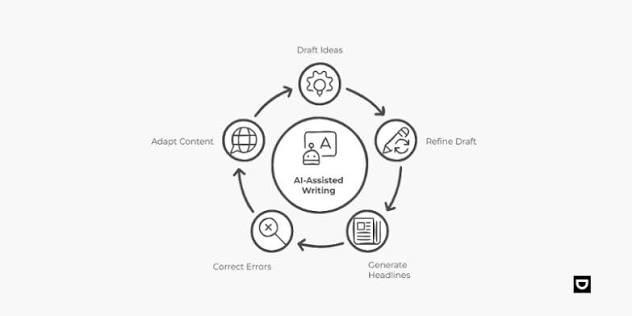
An AI writing package is a bundle of writing tasks, revision limits, and human oversight. The package name matters less than the fine print: some plans give you raw AI drafts, while others include keyword research, outline building, tone adjustment, SEO editing, and fact-checking.
The first thing I look for is the handoff point. If the vendor only promises “AI-generated copy,” that usually means the draft still needs a human to make it usable. If the package includes a named editor or strategist, that is a different product entirely. A 1,500-word blog draft with no editing is not the same thing as a 1,500-word article designed for a specific search query.
This is where many buyers get caught. A basic package may look cheap because it covers only generation, not revision. A premium package may look expensive because it folds in research and polish that you would otherwise pay for separately. The key is not the headline number; it is the number of steps included.
If you are buying for a startup homepage, a product launch, or a client deliverable, I would not choose a package that stops at first-draft generation. If you are using AI for internal notes, rough briefs, or ideation, that may be enough.
Which AI writing package should you buy?
The right package depends on how visible the writing will be and how much damage a weak draft could do. For internal use, a basic package is often fine. For anything public-facing, I would move up a tier.
A basic package usually fits people who need volume, not polish. Think of simple social captions, short product blurbs, or a batch of outline drafts. The downside is obvious: the output can sound generic, repeat itself, or miss brand details. If the package has a 2,000-word monthly cap or a fixed number of revisions, that often signals a low-touch service built for simpler use.
A standard package is often the middle ground for buyers who want more support without paying for full-service oversight. It usually adds editing, a better prompt process, or some form of topic research. That matters because AI writing fails most often at the seams: it sounds fluent but says nothing specific, or it gets the structure right and the facts wrong. A package that includes human editing reduces that risk.
Premium packages make sense when the writing must do more than exist. If the piece needs to match a voice guide, answer search intent, or support a sales funnel, the extra oversight is worth paying attention to. The drawback is cost, of course, but the less obvious drawback is delay. More hands on the project can mean more back-and-forth.
My rule is simple: if the writing is for an important page, choose the package with the clearest human review. If the vendor cannot tell you who edits the work, I would skip it.
The real difference between basic and premium packages
Basic packages win on speed and volume. Premium packages win on control and accountability.
| Criteria | Basic package | Premium package | Winner for |
|---|---|---|---|
| Draft quality | Often clean but generic | Usually shaped to a brief and voice guide | Brand-sensitive pages |
| Human editing | Limited or optional | Usually included | Public-facing copy |
| Research depth | Light topic coverage | More likely to include sourcing or outline work | Search-driven articles |
| Revision rounds | Few | More flexible | Client work |
| Consistency across assets | Can vary by prompt quality | Usually more consistent | Ongoing campaigns |
| Turnaround pressure | Faster | Slower but steadier | Same-day drafts |
| Risk of fluff | Higher | Lower if editing is real | Useful rather than wordy copy |
| Best use case | Volume tasks | Important published work | Decision-based buying |
The premium tier wins for anything tied to reputation because it usually includes the one thing AI output needs most: a human who can cut drift, fix tone, and catch weak logic. Basic wins when the cost of imperfection is low. If you need 20 rough descriptions by Friday, basic can be enough. If you need one page that a buyer, editor, or search engine will judge hard, premium is the safer bet.
The trade-off is not subtle. Basic saves money up front but often costs you time later in rewrites. Premium costs more but can reduce the “draft, fix, explain, re-fix” cycle that eats hours.
AI writing service packages for SEO articles: what matters most
SEO packages win when they include search intent work, not just a target keyword. That is the difference between an article that ranks for a while and one that answers the query well enough to hold attention. Google’s own guidance on helpful content and search quality points in that direction, and Ahrefs notes that pages built to match intent tend to outperform keyword-stuffed content over time.
A package built for SEO should show its work in a few concrete ways: it should include outline planning, intent matching, heading logic, and basic on-page cleanup. If the vendor also adds source checking or editorial review, that is a strong sign the package was built for publishing, not just drafting.
The weakness of many SEO packages is that they chase structure without substance. You get headings, subheadings, and keyword placement, but the piece still fails because it does not solve the reader’s problem. That is especially common in packages that promise “optimized” copy in 24 hours. Optimization without judgment is just formatting.
I would choose an SEO package only if it includes at least one human quality-control step. That can be an editor, a strategist, or a reviewer who checks the article against the brief. A package that lists only token terms like “AI optimization” and “fast delivery” is weak on the one thing that matters: usefulness.
One useful sign is whether the package distinguishes between informational, commercial, and transactional intent. If it does, the vendor understands writing as a decision tool. If it does not, you may get a page that sounds polished but misses why anyone searched in the first place. For that reason, I would also look for package pages that explain their SEO process in plain language and link to related services like content briefs or editorial review.
For blog articles, category pages, and service pages, that difference is not cosmetic. It decides whether the page earns clicks or gets buried.
What most buyers miss before they sign up
The biggest mistake is buying words instead of process. A 1,000-word package sounds specific, but length alone does not tell you whether the writing will work. I would rather see a 700-word package with editing and brief review than a 1,500-word package that ships raw AI text.
Another common miss is revision policy. Some packages include one revision, which is fine if the brief is crystal clear. If your brand voice is still being built, one round may not be enough. Ask whether revisions cover structure, tone, facts, or only typo fixes. Those are very different things.
You also need to check whether the package covers source handling. AI writing can reproduce confident nonsense quickly. If the vendor is serious, the package will say how it handles unsupported claims and whether a human checks facts before delivery. For anything in health, finance, or legal territory, I would treat human review as non-optional and consult a qualified professional where needed; Mayo Clinic, SEC Investor.gov, and the American Bar Association all stress the limits of non-expert guidance in these areas.
The last thing I watch is ownership and reuse terms. Some vendors are loose about whether they store prompts, reuse templates, or train internal systems on client material. If that matters to you, ask before you buy. It is far easier to reject a package than to untangle a rights problem later.
When an AI writing package is the wrong choice
An AI writing package is the wrong choice when the work depends on original reporting, specialized expertise, or high-stakes judgment. A package can draft around a topic, but it cannot replace a subject expert who knows the field cold.
It is also the wrong fit if you want a single, highly distinctive voice. AI can imitate style, but many package-based services still sound like a polished average of everything they have seen. If your brand lives on sharp opinion, unusual cadence, or deep field reporting, a generic package will flatten it.
I would also skip an AI package if the vendor refuses to explain the workflow. If they cannot tell you who prompts, who edits, and who signs off, the package is too vague to trust. That vagueness often hides a weak process.
The clearest clue is the deliverable list. If the package promises “blog articles,” “articles,” or “copy” with no mention of source review, editor access, or revision scope, it is probably built for volume. Volume is useful. Volume alone is not quality.
Exception scenarios that change the choice
The verdict flips in a few cases. For example, choose a basic package if you need a large batch of low-risk drafts, such as internal knowledge notes, placeholder blurbs, or rough outlines for a 10-post calendar. In that setting, the point is throughput, not finish.
Second, choose premium even for short copy if the page is tied to revenue, reputation, or compliance. A 200-word service page can matter more than a 2,000-word article if it sits near the bottom of a sales funnel.
Third, a standard package may be strong value if your team already has a strong editor. In that setup, you are paying for draft generation while keeping control in-house. That can be smarter than buying editing twice.
Fourth, do not buy any package if the writing requires original interviews, proprietary data, or legally sensitive claims. At that point, you need a specialist writer, not a package.
The verdict: which package to choose and why
Choose a premium AI writing package if the work will be published, judged, or tied to sales, because the editing and oversight are what turn machine text into usable copy. Choose a basic package if you only need quick drafts for low-stakes tasks and can fix them yourself. Neither if the project needs original reporting, technical authority, or compliance-sensitive judgment.
What should I ask before buying a package?
Ask who edits the copy, how many revision rounds are included, and whether the package includes research or just generation. Those three answers tell you more than the marketing page does.
Is a higher-priced package always better?
No. A higher-priced package is only better if it includes a clearer process, stronger editing, or better subject fit. If the extra cost only buys more words, I would pass.
Can AI writing packages replace a human writer?
Not for work that needs insight, reporting, or a distinctive point of view. They can reduce drafting time, but they do not replace judgment.
What’s the safest package for a business website?
A package with human editing, a revision policy, and clear source handling is the safest choice for a business website. That combination lowers the chance of generic or inaccurate copy.
Drafted with AI; not yet reviewed by a person.